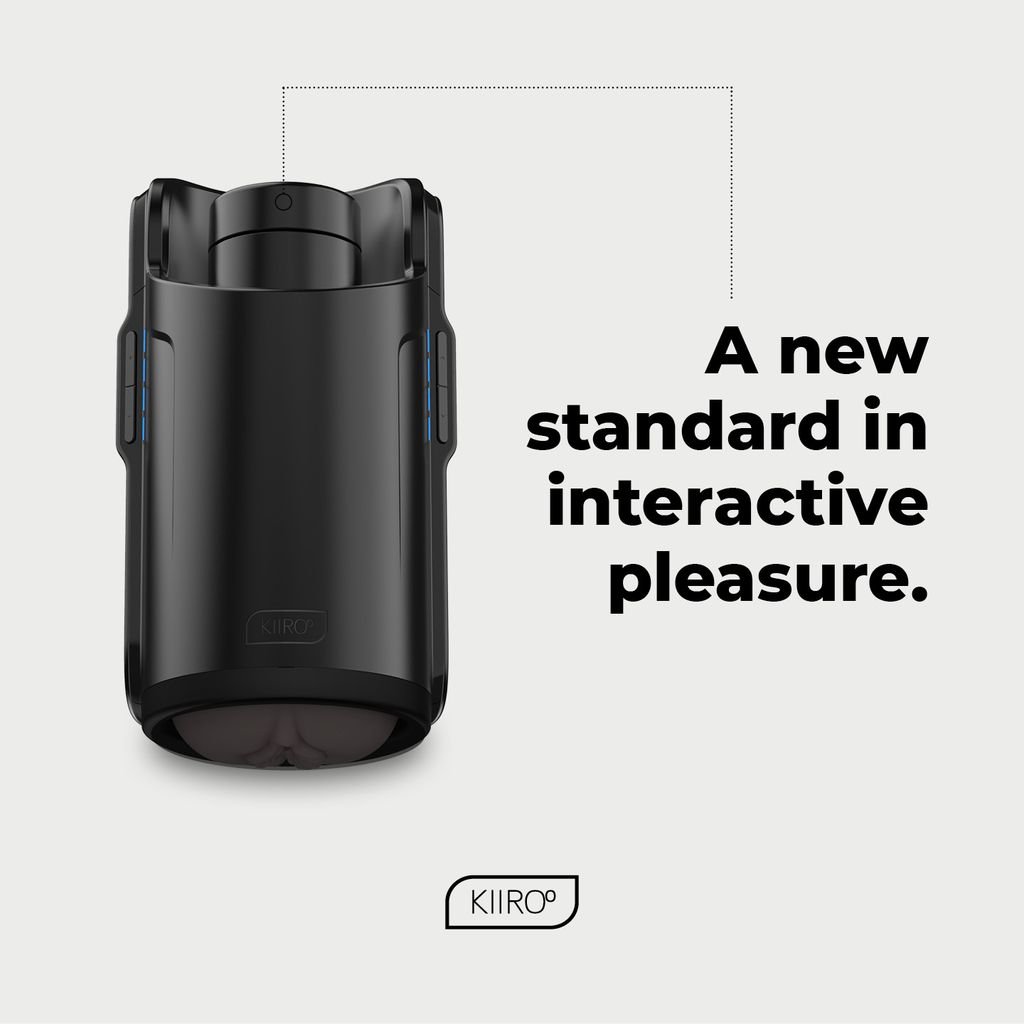
Product descriptions often focus on motors and modes, but comfort is usually determined by shape, dimensions and how a product sits during use. Those details are especially important for shared products because two people may experience the same design differently.
Read dimensions, not only photos
Marketing photos are useful for understanding general shape, but scale can be hard to judge. Look for measurements and compare them with a familiar object if necessary. For wearable products, pay attention to thickness and the amount of flexible material.
Flexibility can matter more than size
A rigid design may hold its position well but offer less adjustment. Flexible arms or hinges can improve fit, but very soft designs may move more during use. Neither is automatically better; it depends on the intended position and pressure.
Controls should be reachable
Buttons that are easy to press on a table may be awkward once the product is in use. If a remote or app is included, that can reduce the need to reach the device itself. For first-time buyers, simple controls usually beat complicated menus.
Plan for stopping and adjusting
Comfort changes during use. A product should be easy to remove, reposition or reduce in intensity. Avoid treating a “perfect fit” claim as universal; bodies differ and personal comfort is the final measure.
For broader category advice, see Best Sex Toys for Couples.
We prioritize fit, material clarity, ease of cleaning, privacy, warranty and useful features. Partner relationships do not change our basic evaluation criteria.